Women's Wellness · Educational Series
What You Expect From Your Body After 35 Is Rarely What Gelatin Habits Are Actually About
Most women expect a quick fix. What they find instead is a quiet conversation about collagen, satiety, and how gelatin fits into an everyday routine.
The Gap Between What You Expect And What's Happening
Body changes rarely arrive the way we picture them. Here’s what’s actually shifting beneath the surface.
Collagen Decline Isn't Dramatic — It's Gradual
Gelatin is essentially cooked collagen, and many women only notice its absence in small signs: skin, joints, nails.
Satiety Signals Change With Age
The feeling of 'full' doesn't work the same way it used to. Protein-rich habits can play a role in how satisfied you feel after eating.
Lean Mass Doesn't Announce Its Departure
Muscle tissue shifts quietly over the years, often unnoticed until strength or stamina feels different.
Traditional Dieting Ignores All Of This
Calorie-counting approaches rarely address collagen, satiety, or body composition — the things actually changing.
Metabolism Myths, Sorted From Facts
So much of what circulates about female metabolism is oversimplified. Let’s separate assumption from what’s understood.
Metabolism ‘breaks’ after a certain age.
Metabolic rate shifts gradually and is influenced by many factors, including muscle mass — not a single switch that flips.
Eating less is always the answer.
Under-eating can affect energy and how the body preserves lean tissue over time; quality of intake matters too.
All protein sources work the same way.
Different proteins, including collagen-based ones like gelatin, have distinct amino acid profiles and roles in the body.
A Simple Way To Think About The Habit
Not a program, not a plan — just a practical way to approach a daily addition.
Start With Awareness
Notice how your body responds to meals, satiety, and energy across a normal week before changing anything.
Introduce Gelatin Gradually
Small, consistent amounts folded into everyday foods or drinks tend to be easier to sustain than big overhauls.
Observe, Don't Obsess
Track how things feel — skin, digestion, fullness — rather than chasing a number on a scale.
A Kitchen Tradition Older Than Modern Wellness Trends
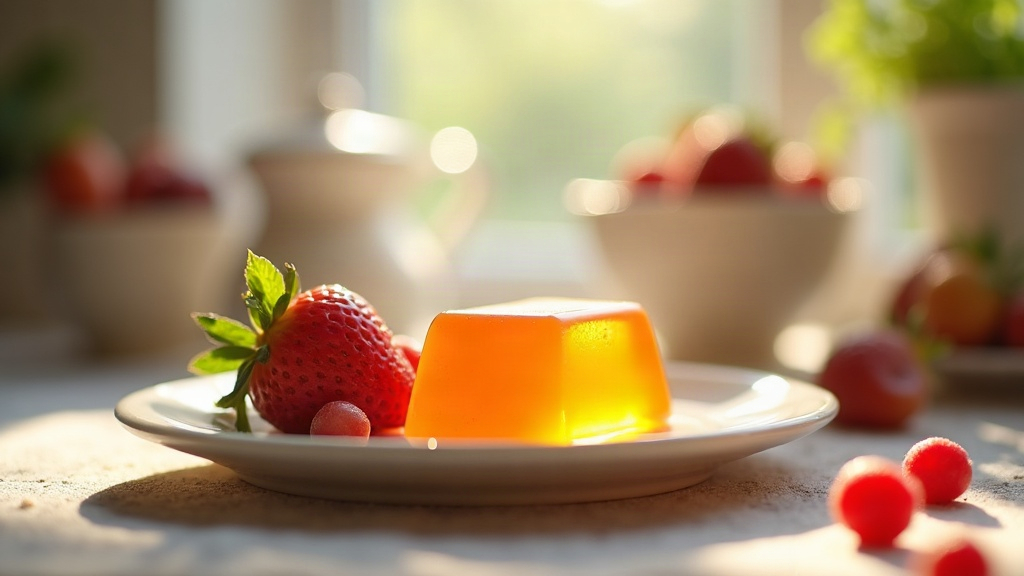
Long before collagen supplements existed on store shelves, grandmothers were simmering bones and connective tissue into broths and gelatin desserts. It wasn’t branded as wellness — it was just how food stretched further and nothing went to waste. Gelatin, quite literally, is what happens when collagen is cooked down into something the body can use.
The insight isn’t that gelatin is new or revolutionary — it’s that a very old kitchen habit quietly overlaps with what modern nutrition conversations are circling back to.
Signs Women Often Overlook
Persistent Hunger Between Meals
Feeling hungry again shortly after eating can be a satiety-related signal worth paying attention to.
Skin Losing Its Usual Bounce
Changes in skin elasticity are commonly linked to shifts in collagen levels over time.
Joint Stiffness After Sitting
Morning or post-rest stiffness in joints is frequently mentioned alongside collagen-related conversations.
Weight Shifting Without Explanation
Changes in body composition can happen even when habits haven't obviously changed.
Energy Dips Mid-Afternoon
Unexplained fatigue can sometimes tie back to how satisfied and nourished a meal actually left you.
Nails That Break Or Peel Easily
Brittle nails are another area sometimes associated with structural protein levels in the body.
What Women Are Saying

These testimonials reflect individual opinions and experiences. Individual results may vary, and these statements have not been evaluated by the FDA. This content is not intended to diagnose, treat, cure, or prevent any disease.
Common Questions
Hydrolyzed gelatin is gelatin that has been broken down into smaller peptides, often making it easier to dissolve and incorporate into foods or drinks.
Gelatin is derived from collagen through a cooking process; they’re closely related but not chemically identical.
No. This page is educational and discusses habits, satiety, and body composition topics — it does not promise weight loss or any specific outcome.
No single ingredient replaces overall dietary balance. Gelatin is discussed here as one habit among many, not a standalone solution.
This content is intended for women generally interested in wellness education, without any specific age requirement.
Yes. Always consult a qualified healthcare professional before making changes to your diet or routine.
This page provides educational content and may reference general wellness habits; it is not a substitute for professional medical advice.
Curious To See How This Habit Actually Works?
Watch the full explanation before deciding whether this everyday habit fits into your routine.
Advertising Disclosure: This page contains sponsored content and affiliate links. We may receive compensation if you click on or make purchases through links on this page. This helps support our content at no additional cost to you.
Content Disclaimer: This content is for educational purposes only and has not been evaluated by the FDA. It is not intended to diagnose, treat, cure, or prevent any disease. Always consult a qualified healthcare professional before making changes to your diet, exercise, or wellness routine.
Results Disclaimer: Individual results may vary. Testimonials shared on this page reflect personal opinions and experiences and are not a guarantee of any specific outcome.
© 2026 · All Rights Reserved · /contact/